
Before every major tournament, there is one question that always comes up: who will be this year's "dark horse"? In essence, this means who will be the surprise performer besides the big teams.
Ahead of the 2026 World Cup, Norway featured prominently in that conversation. An unbeaten qualifying campaign, combined with a golden generation led by Erling Haaland and Martin Ødegaard, made them one of the tournament's most intriguing outsiders.
So far, they have lived up to the expectations. Norway progressed to the knockout stage with an energetic, front-foot approach and moments of individual brilliance from their biggest stars. Furthermore, head coach Ståle Solbakken decided to rest the entire starting lineup for the last group game against France, prioritising the freshness in the round of 32 against Ivory Coast. This is a testament to the ambitions of the team.
But how far can they really go? And despite the quality throughout the squad, are they still too dependent on individual players?
We analysed Norway's performances throughout the group stage and found a team with clear strengths but also collective issues that could ultimately limit how far they can go in this tournament.
We will be analysing Norway's build-up play in particular. Using our analytical layers within PlayIQ Edge, we examine how they approach the first phase of possession against a high block, and why this phase of the game can become overly dependent on individual quality and improvisation.
Attacking vs High Block
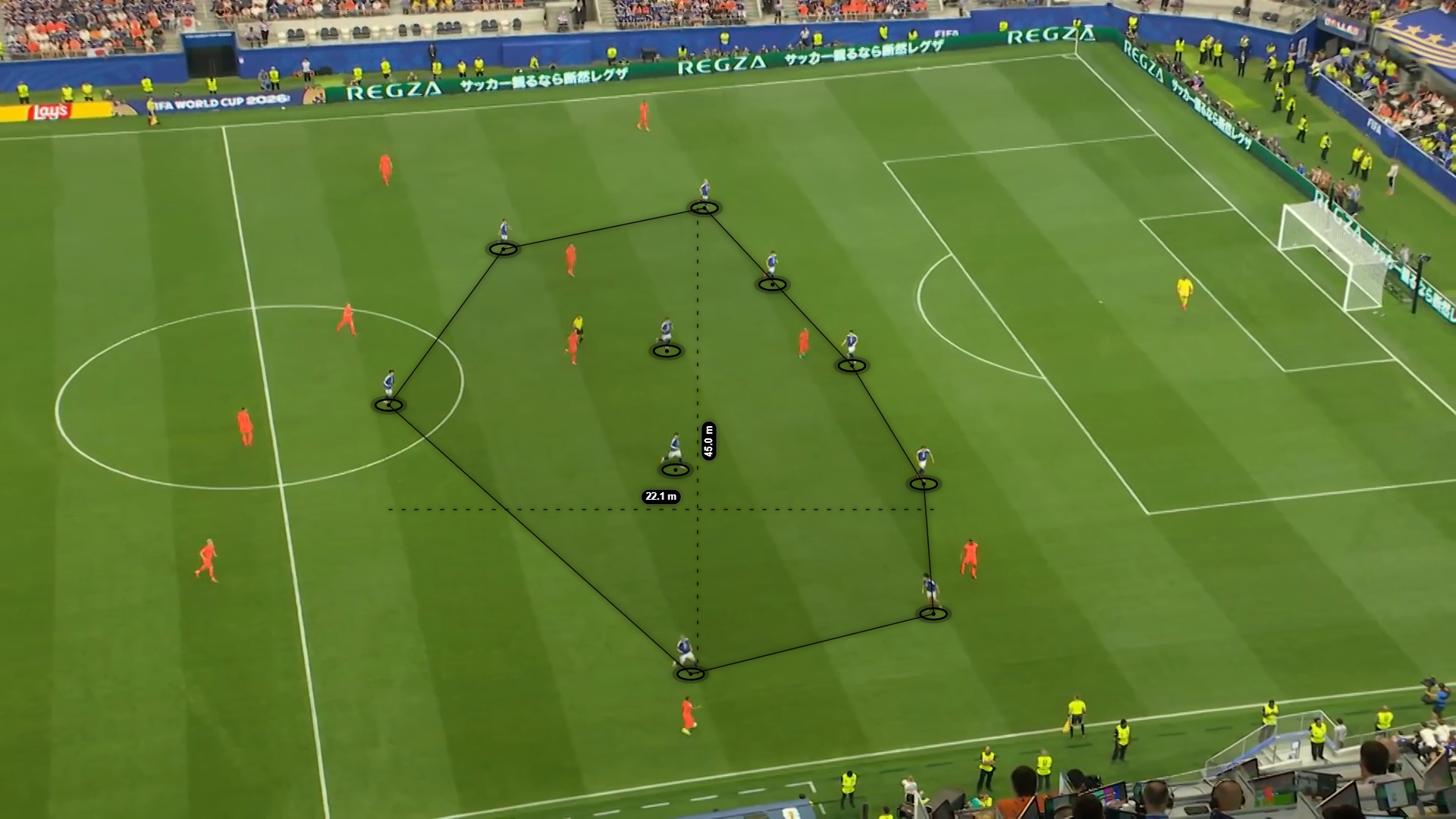
Firstly, we can take a look at Norway's average positions and pass networks when attacking against a high block.
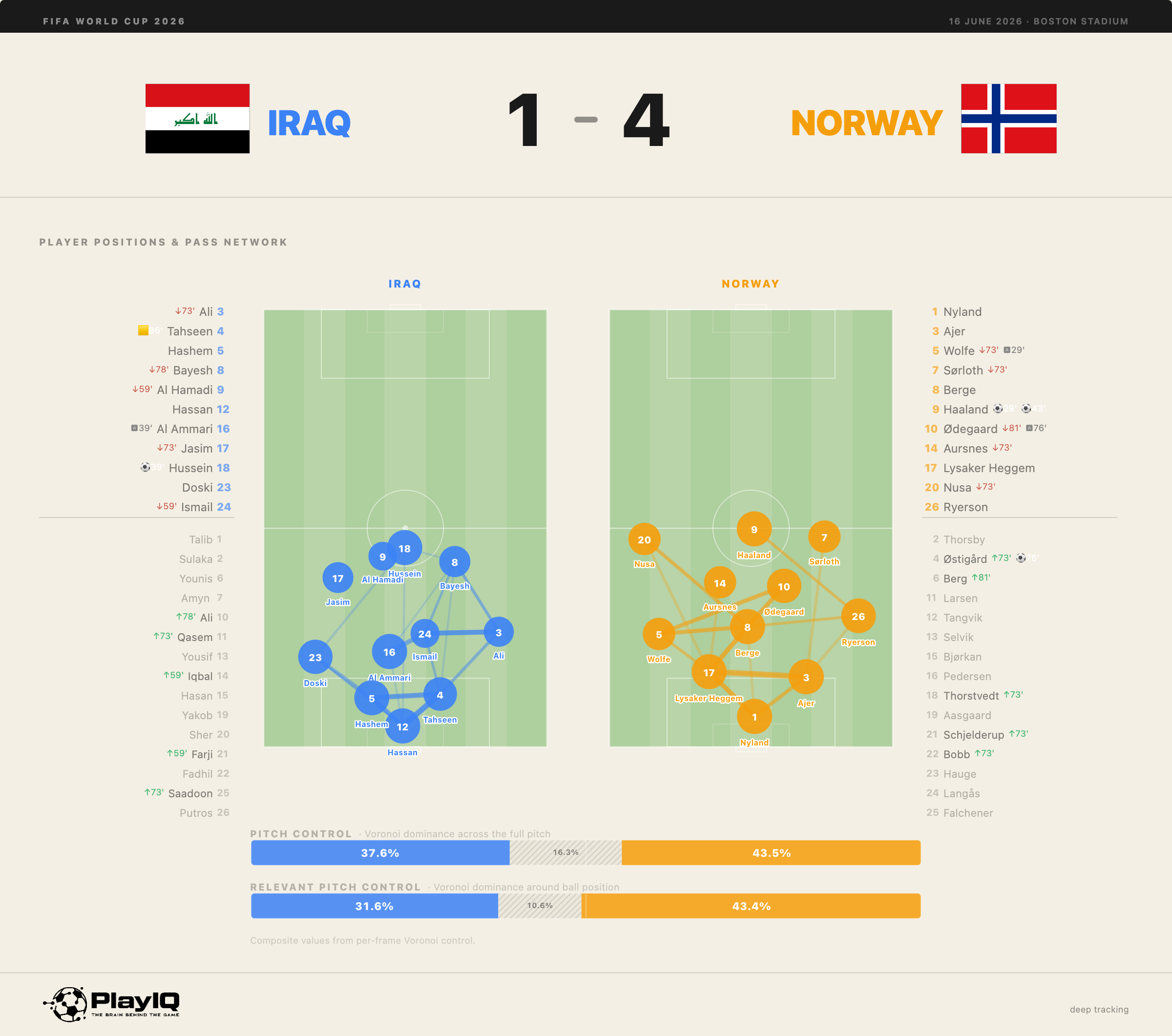
Norway typically line up in a 4-3-3 formation, with Erling Haaland as the focal point of the attack. Antonio Nusa (RB Leipzig) operates from the left, providing pace, directness, and excellent 1v1 ability, while Alexander Sørloth (Atlético Madrid) starts on the right despite not being a natural winger. Deploying Sørloth on the flank has been Ståle Solbakken's solution to fitting both strikers into the same starting XI.
As we will see later in this analysis, Sørloth has adapted remarkably well to the role, allowing Norway to maximise his strengths within their attacking structure. His physical presence and aerial ability give Norway an important outlet under pressure, whether by targeting him with long balls, using him to hold up play, or simply giving the team a reliable option when opponents press aggressively. One of the clearest examples came in the build-up to Norway's opening goal against Iraq.
Sørloth's role in the goal cannot be overstated. His ability to hold up the ball and attract multiple defenders creates the conditions for Norway to progress, switch play and attack the weak side. Without his individual quality, the move simply does not develop in the same way.
The sequence ultimately ends in an excellent team goal, but it also highlights an important contrast. While Norway possess the individual quality to solve difficult situations, the build-up itself does not always provide the best conditions for progressing the ball cleanly. Throughout the group stage, Norway struggled at times to play through the high blocks of both Iraq and Senegal, often relying on moments of individual brilliance rather than collective solutions. Against Senegal, the contrast was particularly clear: Senegal completed twice as many progressions through the first line as Norway. More interestingly, 52 per cent of Norway's progressions behind the 1st and 2nd line came on Sørloth's right side.
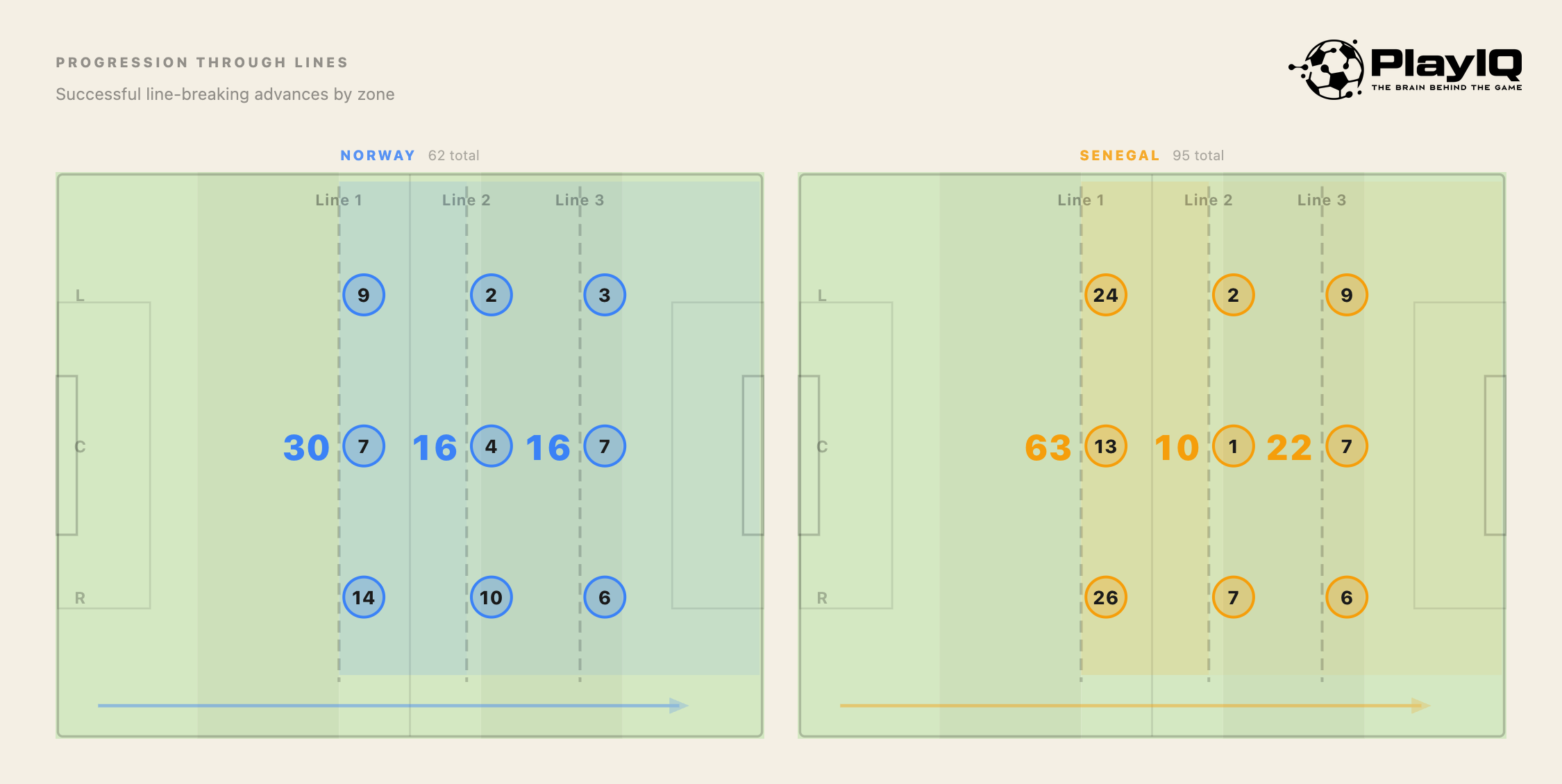
Let's take a closer look at why through the video examples below.
Missing Collective Tools?
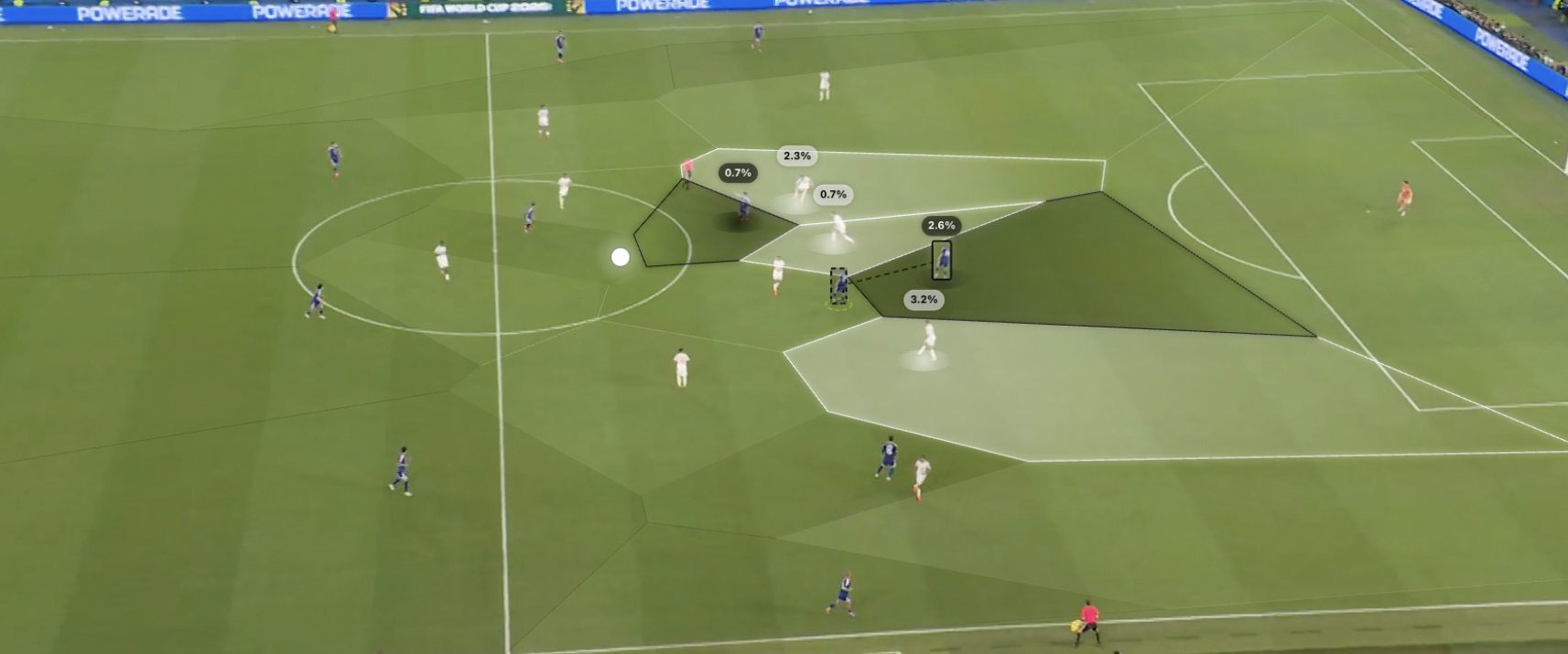
In the first clip above, Iraq gradually shift from a medium block into an aggressive high block. Rather than manipulating the opposition through their own positioning and circulation, Norway allow Iraq's press to dictate the build-up. As a result, the attack becomes rushed and ultimately ends with a long ball towards Sørloth.
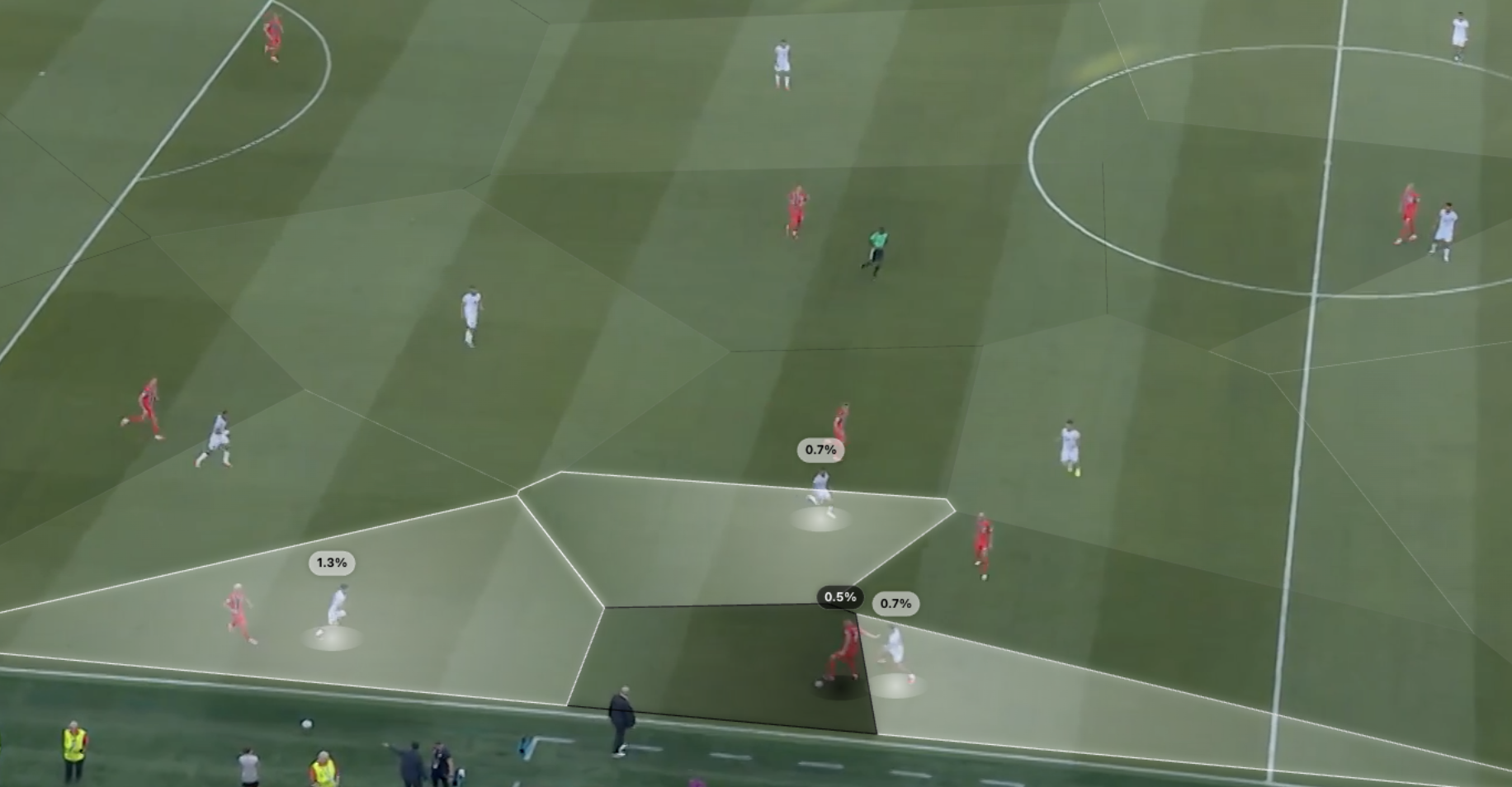
The second example is a similar situation from the Senegal game. Again, we see a similar decision from Norway. Ajer chooses to play into the right-back rather than finding Ødegaard centrally, despite Ødegaard having both the technical quality to receive under pressure and the surrounding conditions to connect the next pass. From that central position, Norway would have had several options to progress the attack. Instead, the ball is played wide, the full-back is immediately pressed, and Norway are once again forced into a longer pass towards Sørloth. This is exactly why the touchline is so often used as a pressing trap: once the ball travels wide under pressure, the receiver's options become limited by the sideline.
There are several moments in the build-up where simple collective tools and agreements could have created clean solutions to play through the press centrally, which in turn could create more solutions in the next phase of play.
So, is the tendency to progress wide a deliberate strategy from Norway or is it actually a lack of collective tools and agreements in build-up?
We now examine another sequence which highlights the center backs' decisions in build-up.
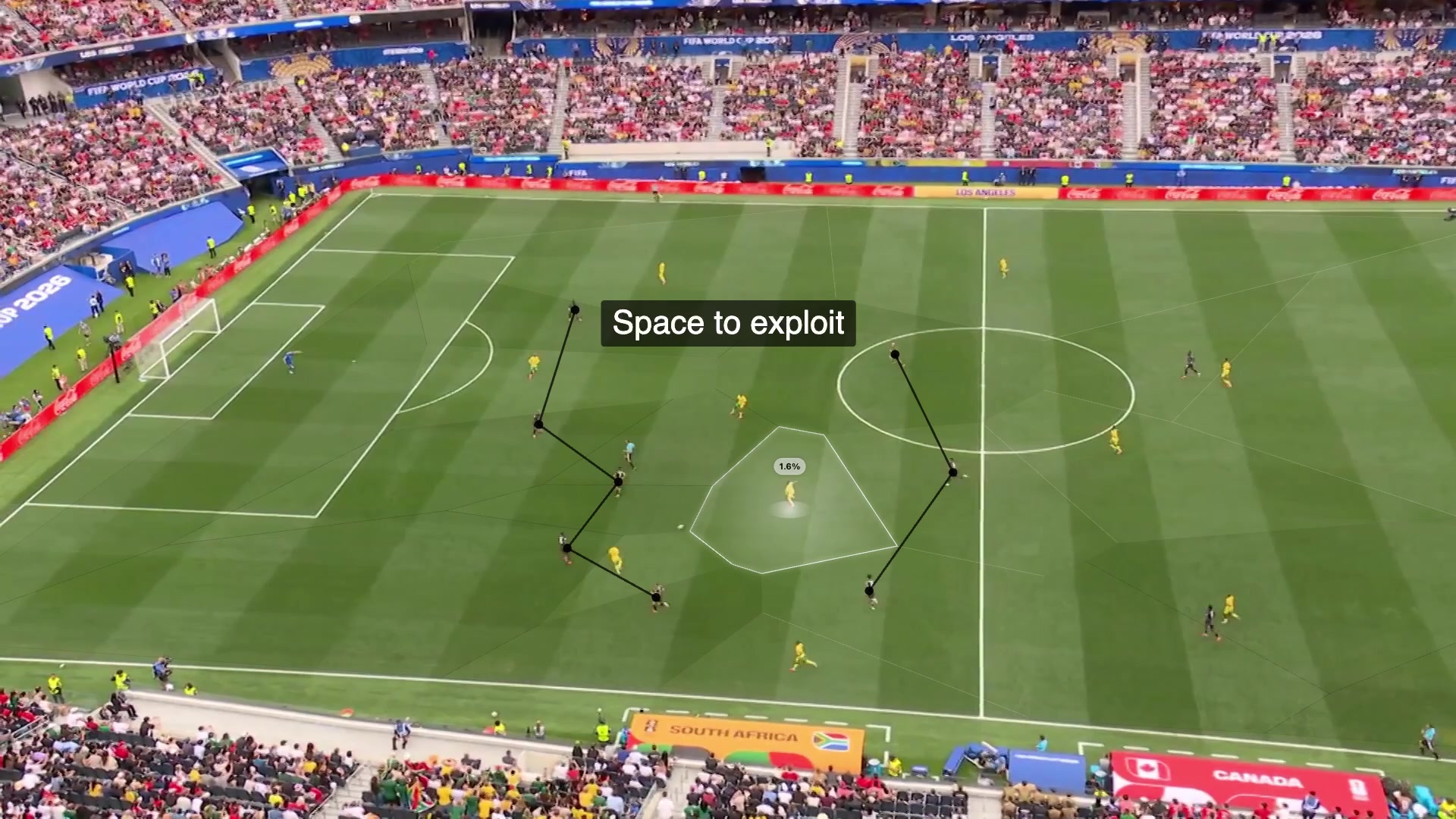
Early in the game against Senegal, we can see another example of Norway playing out to the right-back, Ryerson, rather than progressing centrally. A collective tool, often referred to as the "third-man principle", is available once again, with Ødegaard dropping towards the ball and Berge positioned to receive the lay-off. Instead, Norway play wide, and as a result Ryerson immediately comes under pressure. Torbjørn Heggem, the left-sided center back, also had the opportunity to progress centrally earlier in the move.
The sequence also highlights a lack of communication between Ryerson and Sørloth. Sørloth initially makes a movement towards the ball before spinning in behind, while Ryerson expects him to come short. At the same time, Ajer has not provided a supporting option in depth, leaving Ryerson without a viable passing solution.
Although the examples in this section focus on small details, together they reveal a consistent pattern. Norway often lack the collective mechanisms needed to play through medium and high presses, instead allowing opponents to dictate their build-up. Against stronger teams, such as France in the final group match, these situations can quickly become costly.
Interestingly, when Norway fielded their B-team against France, we saw a team that attempted to progress centrally at times. In the clip below, they were nearly punished after a ball loss in their own half.
On the other hand, we did actually see some signs of Norway utilizing collective tools in their build-up.
Deliberate strategy or improvisation?
Whether these sequences were intentional remains somewhat unclear, particularly as Norway were without Sørloth as their usual outlet on the right side. At the same time, the variety of build-up patterns suggests that the players are not always fully aligned on the intended approach; whether to play short, wide, through the centre, or more directly. As a result, Norway often appear to rely on individual quality and improvisation when attacking against a high block. That said, the risks associated with progressing centrally become much more apparent against stronger opposition, which may explain a more cautious approach in build-up.
Norway can still progress the ball by bypassing the build-up altogether, often by playing directly into Sørloth. That approach can certainly be effective, but relying on it too heavily makes the team predictable. If Norway are to make a deep run in this tournament, they will likely need more solutions than simply going direct.
Outcome
In this analysis, we have identified a phase of the game where Norway can look vulnerable. However, it is important to acknowledge that we do not know the team's exact tactical instructions. The patterns we have highlighted may therefore not simply reflect poor decision-making, but instead a deliberate strategy: accepting less control in the build-up phase in exchange for reduced risk and more favourable opportunities to play directly into Sørloth or Haaland, thereby exploiting some of the squad's greatest strengths.
There have already been several examples at this World Cup of teams being punished for trying to progress centrally under pressure. With that in mind, Norway may deliberately avoid taking unnecessary risks in central areas. Instead, they invite the opposition higher up the pitch before playing directly into Sørloth, allowing them to bypass the press and attack the spaces left behind.
If that is indeed the intention, then this becomes less of a weakness and more of a calculated tactical trade-off. As discussed earlier, getting the ball into Sørloth solves many problems. His ability to compete physically, secure possession, and connect the next action allows Norway to bypass large parts of the build-up phase altogether. Combined with Haaland's pace and finishing ability, it gives Norway a direct route from defence to attack that few teams can replicate.
Whether this approach will be enough against the tournament's strongest opponents remains to be seen.